Professional Development
Teaching Math Students About Their Brains
A professional development session for middle school math departments that gives teachers the brain science behind the routines they already rely on, and the materials to teach it directly to students.
What This Session Offers
This session gives math teachers a research-informed framework for understanding how students' emotional state, mistake-analysis habits, and working memory affect their capacity to learn mathematics — and uses that framework as the basis for everyday classroom decisions, rather than presenting it as a separate initiative or an added set of strategies.
Students often ask questions about the routines math teachers rely on: Why do I have to show my work? Why do we have to do homework? When teachers can explain the reasoning in terms of how students’ brains learn, students are more likely to see these routines as tools for their own learning.
Designed as a 90-minute session, and adaptable to a PD day or a department meeting.
Building a Brain-Based Math Classroom
The session is organized in three parts, each pairing brain science with concrete classroom practices and the materials to teach these ideas directly to students.
What Happens in Your Brain When You Analyze Mistakes
Teachers learn how to show students what happens in their brains when they make and analyze mistakes. They also explore routines that give students more chances to learn from those mistakes, such as answer keys for practice in class and at home, and small-group work at whiteboards from Building Thinking Classrooms. Once students care about analyzing their mistakes, showing their work stops being a requirement and becomes a tool they use for themselves.
Freeing Up Working Memory for the Math That Matters
Teachers learn how to teach students what working memory is and how to avoid overloading it, by writing things down and by organizing and labeling what they write. Hands-on exercises let teachers experience the difference for themselves and run the same activities with their students.
Using Brain Science to Build a Safe Classroom, With Real Student Buy-In
Teachers learn why classroom climate matters, since students try harder when their classroom feels mistake-friendly, and a process for building classroom norms with students that puts mistake-making at the center.
A deeper look at growth mindset is available as an optional add-on.
About the Presenter
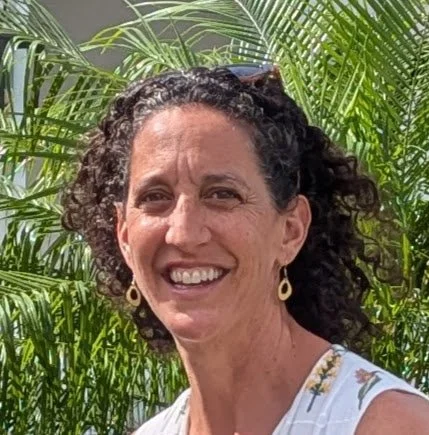
Karima Hassan Hopkins
Karima Hassan Hopkins spent 19 years teaching middle school mathematics in New York City independent schools, including Brooklyn Friends School, Berkeley Carroll, and Little Red School House and Elisabeth Irwin High School. She now works as a private tutor, specializing in girls who struggle with math confidence. She is also the creator of Girls’ Math Power Week, a small-group program built on the same ideas at the heart of this session: persistence, problem-solving strategies, and learning from mistakes.
Her approach rests on a simple premise: students learn mathematics best when they understand that struggle, mistakes, and uncertainty are not evidence that they are bad at math. They are part of how learning happens.
Get in Touch
Bring This Session to Your Department
Wondering whether this session is a good fit for your math department? Reach out using the form below. I’m happy to talk about timing and format, including a shorter version for a department meeting or adding the optional growth mindset section.